Project context
The requirement behind the terminal.
The working vehicle needed a clear route from a collection alert to driver dispatch, navigation and local job records, including useful behavior during unreliable network coverage.
Role of the PDS platform
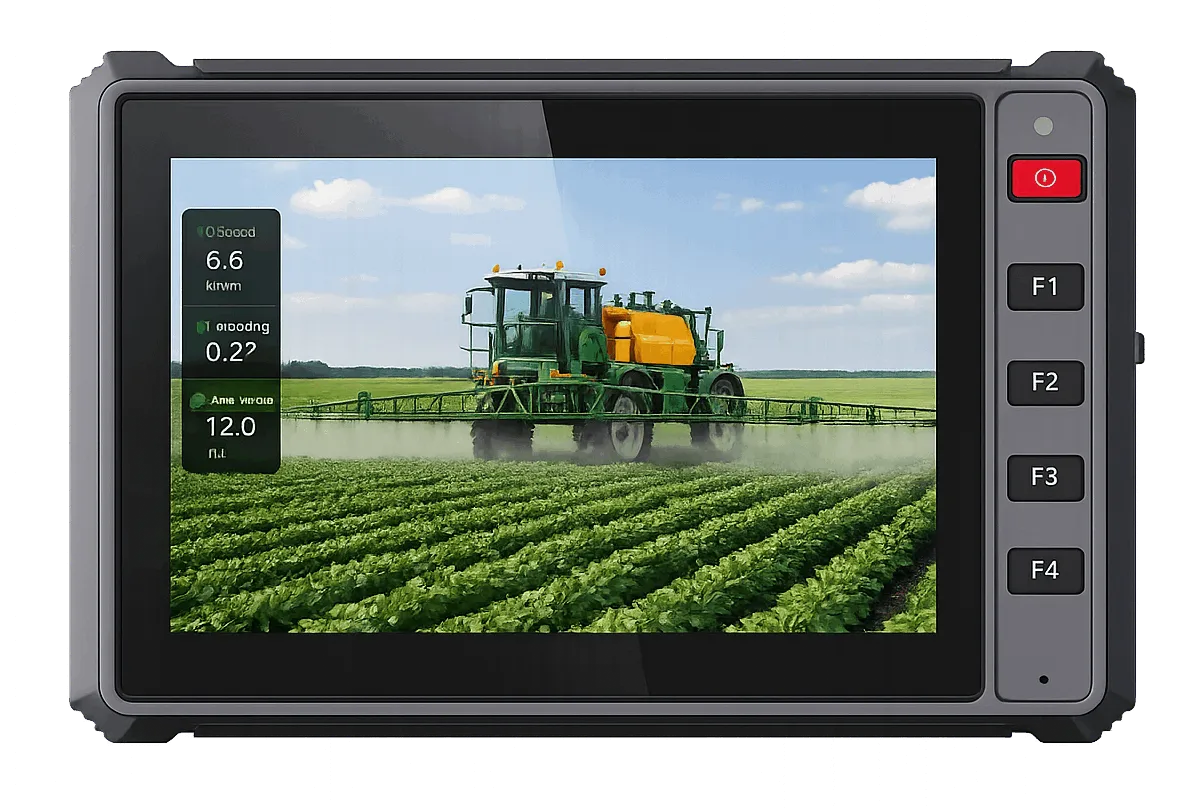
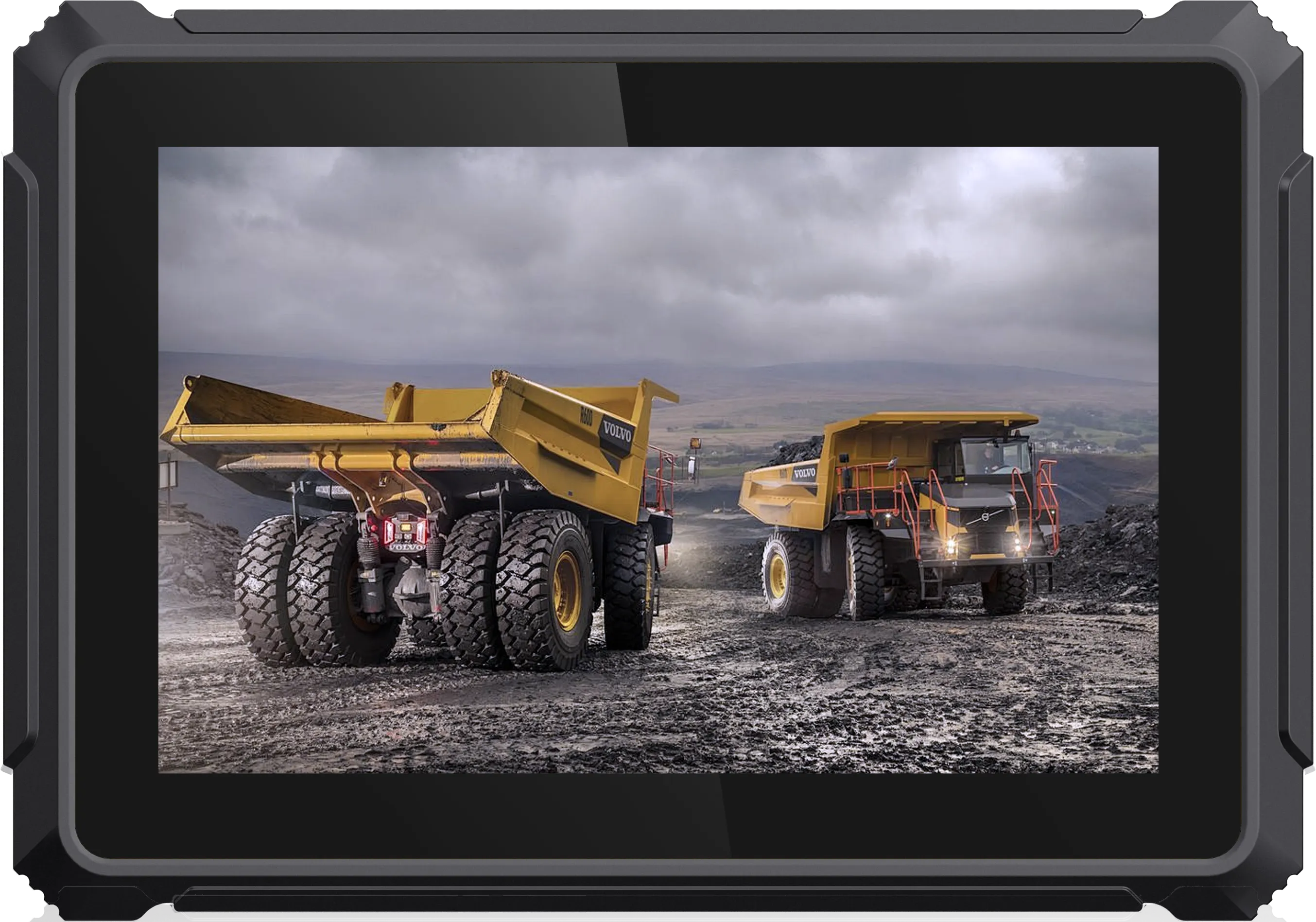
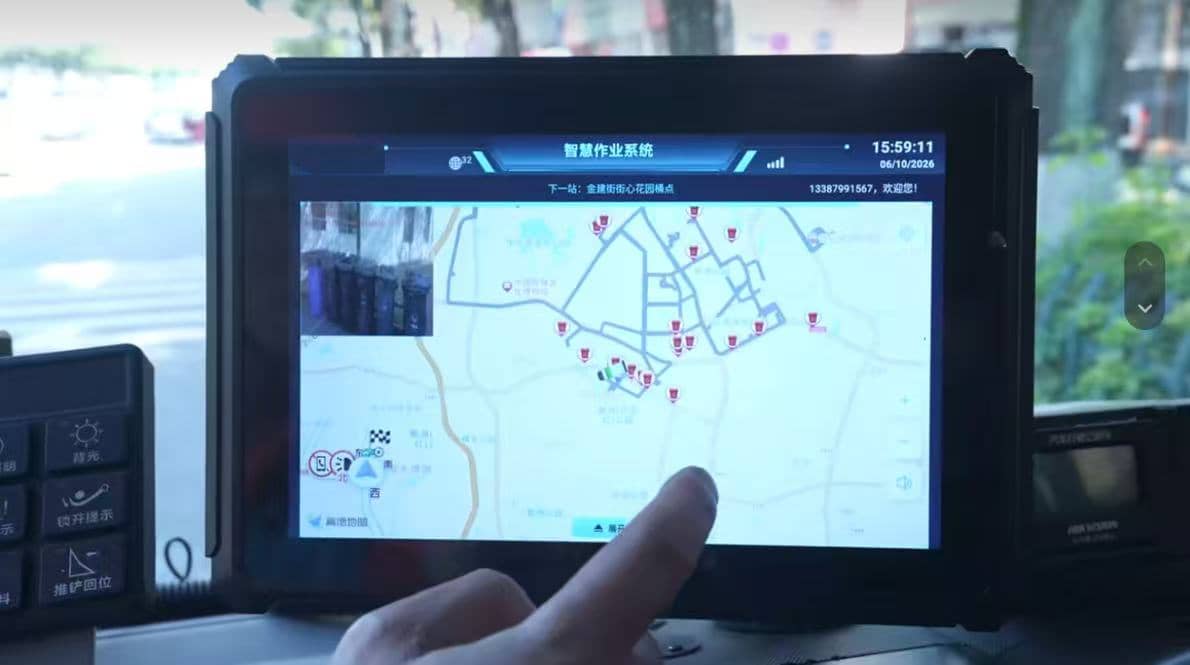
The T10 acted as the driver-facing terminal for dispatch information and project-defined 4G, GNSS, camera and vehicle-data connections. The dispatch platform and municipal workflow remained outside the hardware scope.
What the PDS scope supplied
- 10.1-inch T10 in-vehicle terminal
- Driver-facing dispatch and navigation interface platform
- Connectivity options for GNSS, communications and cameras
- Vehicle-interface starting point for project integration
What remained in the wider system
- Dispatch service and route-optimization logic
- Municipal data sources and operational rules
- Vehicle protocols, camera configuration and installation harness
- Service metrics, driver training and fleet acceptance
Questions for a similar project
- Which event creates a dispatch task and who acknowledges it?
- What job information must remain local when the network drops?
- Which vehicle and camera signals are needed for a complete record?
Evidence boundary
Based on a company-published application story. Response-time and efficiency figures from the legacy page are not repeated without independent records.
Review the original company-published source