Project context
The requirement behind the terminal.
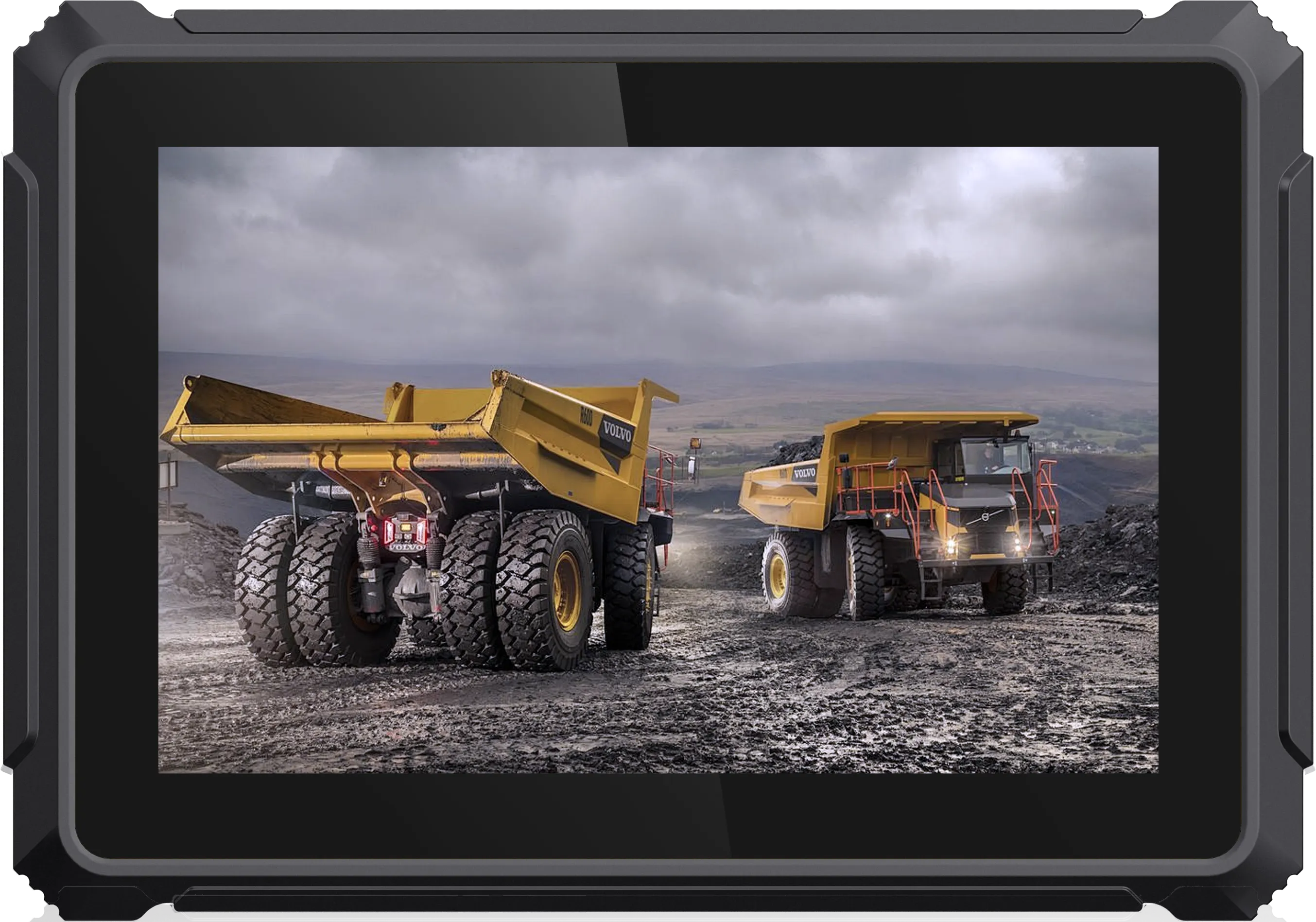
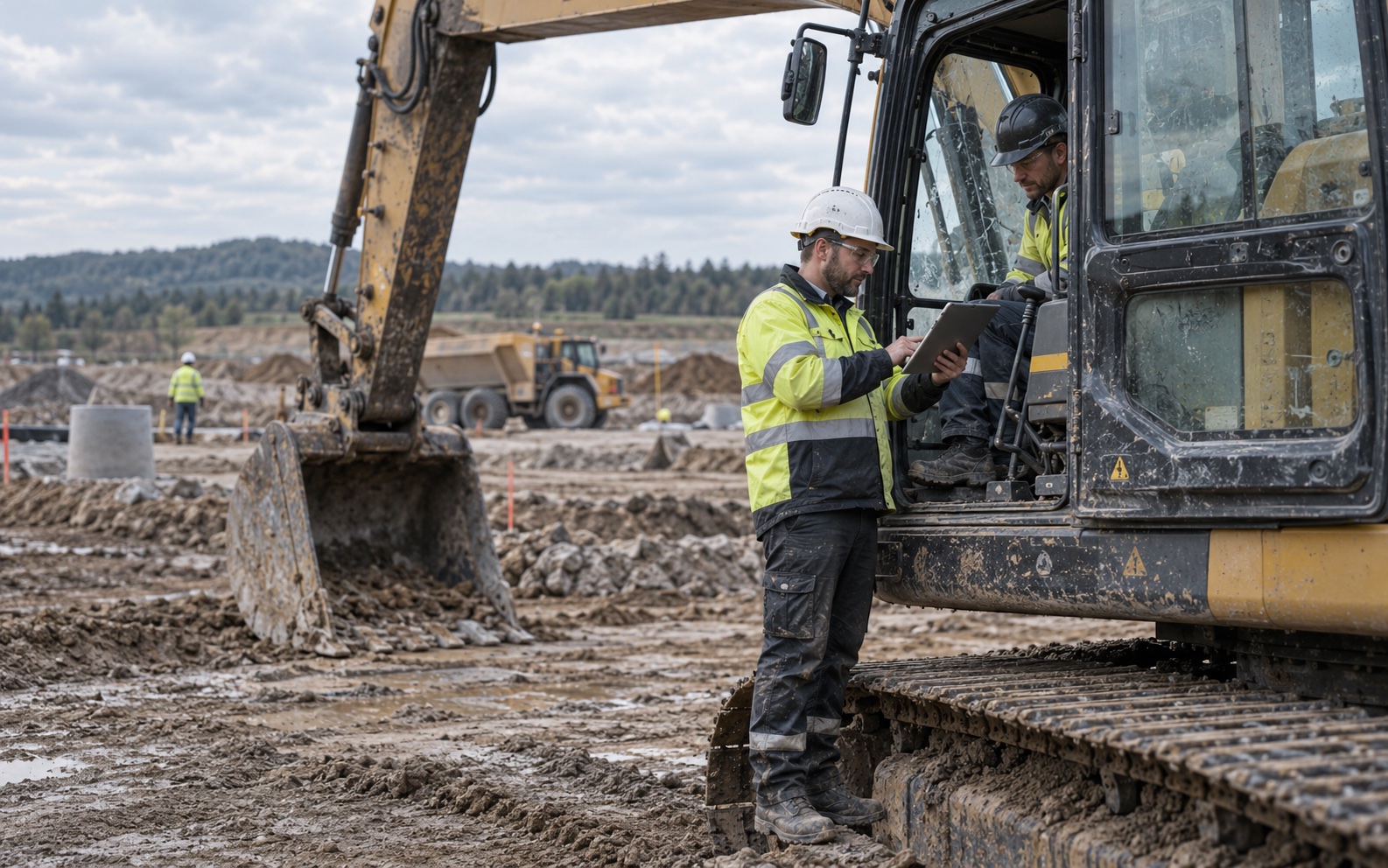
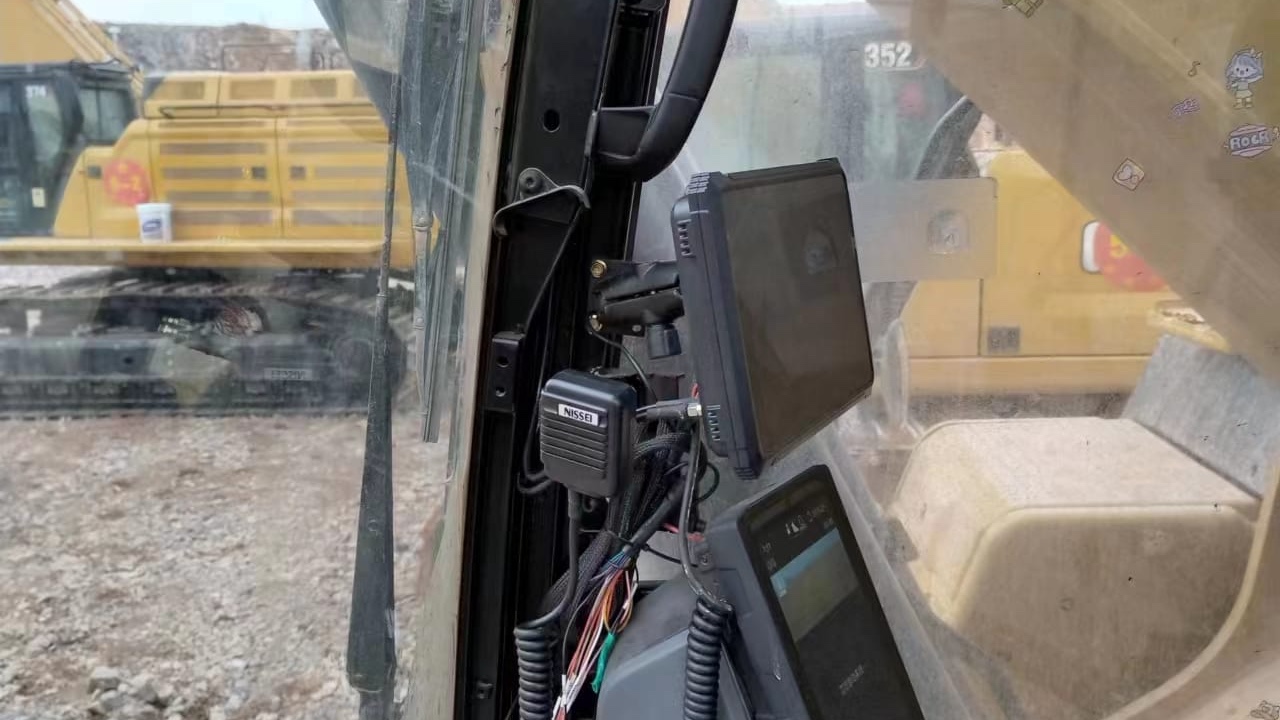
Open-pit vehicles operate across dust, vibration, long shifts and variable network coverage. The application required a terminal role that could support dispatch visibility without pretending to be the complete mine-management system.
Role of the PDS platform
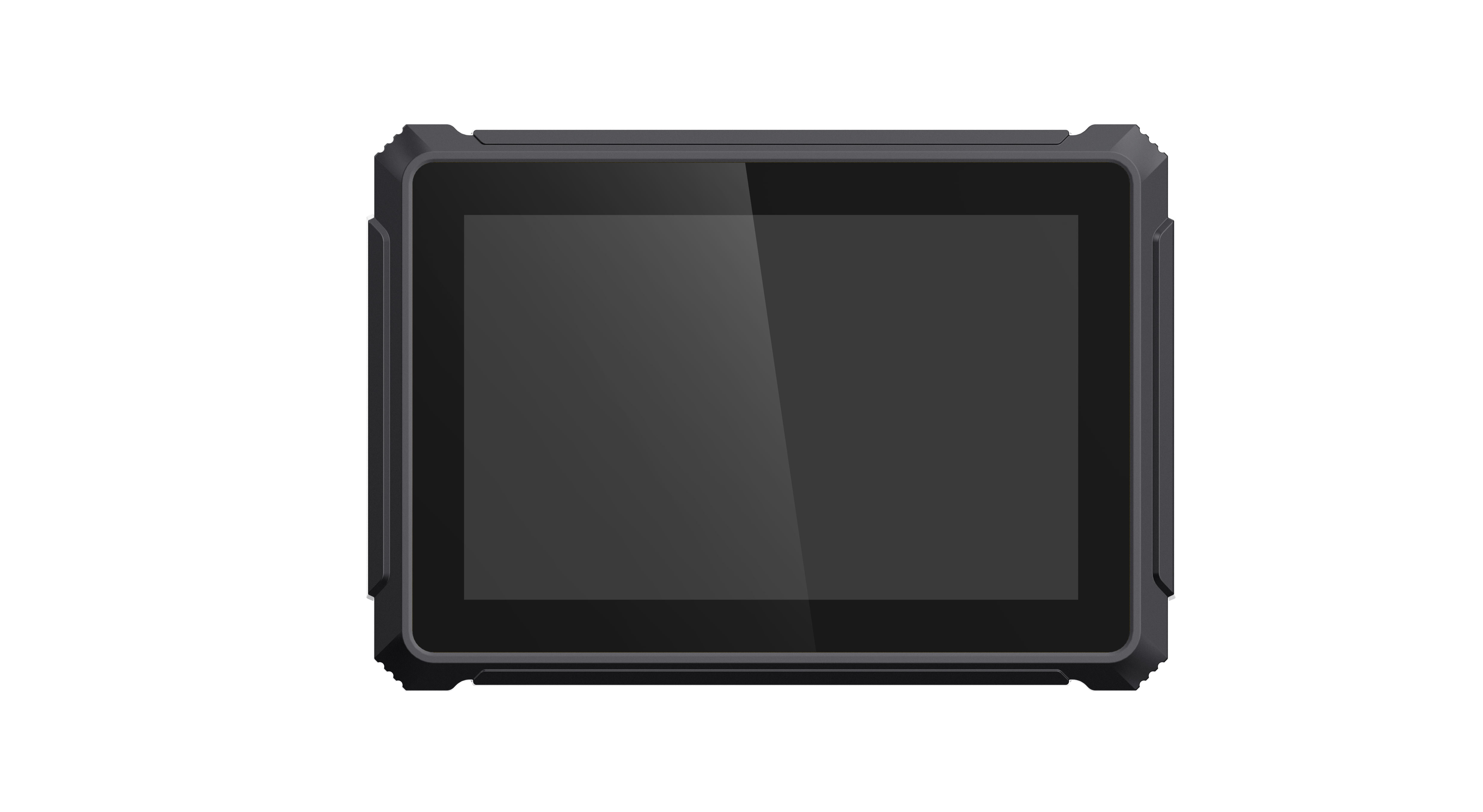
T8 and T8 Pro were positioned as operator-interface options for project-defined dispatch, cameras, CAN or serial data, GNSS or RTK and local records. Mine software and control decisions remained external.
What the PDS scope supplied
- 8-inch rugged terminal options for cab installation
- Operator interface for dispatch and machine information
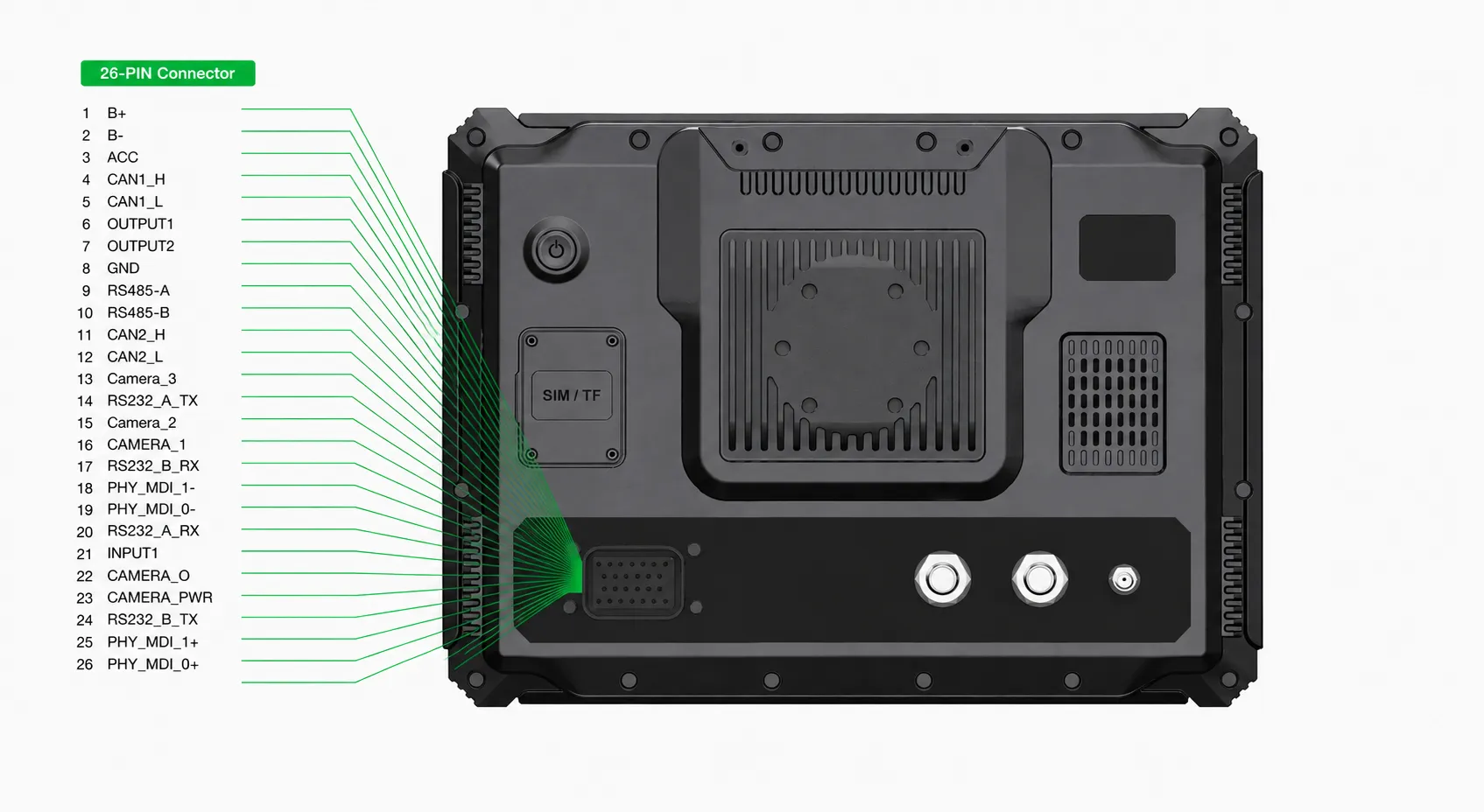
- Camera and vehicle-data integration paths by configuration
- Local computing baseline for offline and recovery design
What remained in the wider system
- Mine dispatch platform and production rules
- Vehicle protocols, positioning architecture and radio network
- Camera placement, intercom and site-specific peripherals
- Safety process, field acceptance and operational results
Questions for a similar project
- Which information is critical when the dispatch link is unavailable?
- How many camera and vehicle-data channels must run together?
- What vibration, dust, temperature and power conditions must the sample reproduce?
Evidence boundary
Based on company-published application material. Deployment quantities, geographic reach, reliability and savings claims are withheld pending documentary proof.
Review the original company-published source