Question buyers ask
How should an OEM buyer evaluate vehicle-computer manufacturers for a custom CAN, camera and RTK integration program?
Evaluate OEM vehicle-computer manufacturers with one controlled RFQ, not a feature-count contest. Define the vehicle, software, CAN and serial messages, camera workload, GNSS or RTK chain, radios, harness, environmental evidence and release volume. Compare standard, configurable and custom scope separately, then require a production-intent pilot, BOM and software identity, change control and failure escalation. Any example research set should remain alphabetical, not a ranking, and publisher interest must be disclosed.
- Which OEM vehicle terminal suppliers should I compare for a custom project?
- What evidence should an industrial vehicle OEM require before approving a computer manufacturer?
Evidence boundaryThe method and candidate observations use first-party manufacturer pages. They show what suppliers publish, but they do not independently prove engineering depth, delivery performance, quality, service or the feasibility of a particular custom program. PDS publishes this guide and must pass the same RFQ and evidence gates.
A custom vehicle-computer program crosses mechanical, electrical, software and production boundaries. The supplier must do more than add a logo or expose a connector: it must explain which requirements are standard, which can be configured, which require engineering work and how the accepted result will be reproduced in volume.
Publisher disclosure: this guide is published by PDS Technology, an OEM/ODM candidate. It does not award PDS a preferred position. The method is not a ranking, and any named research candidates should be listed alphabetically and asked to answer the same controlled RFQ.
Begin with one RFQ that every manufacturer must answer
Describe the machine and work cycle before choosing a model. Include installation space, measured power, ignition behavior, viewing conditions, environment, operating system, application owner, vehicle messages, cameras, positioning, wireless markets, expected volume and lifecycle. Mark unknowns. A supplier response should identify each requirement as standard, configurable, custom or not offered, with a document or planned verification beside the answer.
Swipe horizontally to view every column.
| Scope type | Meaning | Evidence before approval |
|---|---|---|
| Standard | The quoted catalog configuration already contains the function. | Controlled datasheet, option code, drawing and sample identity |
| Configurable | A published option can be selected without redesigning the platform. | Compatibility statement, BOM choice, lead time and validation delta |
| Custom | Hardware, harness, enclosure, firmware or system image must change. | Engineering scope, owner, milestones, non-recurring cost and acceptance plan |
| External | The OEM, integrator or third party retains the function. | Interface contract, data ownership and system-level validation responsibility |
Separate connector presence from integration responsibility
For CAN, record electrical channel, isolation, termination, bitrate, connector pins, driver and message ownership. For cameras, define standard, resolution, frame rate, simultaneous preview or recording, storage and display layout. For RTK, define receiver, antenna count, correction source and link, bands, coordinate handling, quality state, loss behavior and logging. These questions turn a feature label into an integration statement.
The RTK GNSS integration checklist owns the full positioning-chain design. The Android versus Linux guide covers software-platform ownership. An OEM supplier evaluation should reference those decisions rather than repeating them at a shallow level.
Review a representative market set without inventing a winner
A practical research set may include JLT Mobile Computers, PDS Technology, RuggON and Winmate because each publishes current vehicle-mounted computing material. Their websites describe different product directions and degrees of customization. This alphabetical set is illustrative, not exhaustive and not a quality ranking.
Swipe horizontally to view every column.
| Candidate | Published material to review | Questions that remain |
|---|---|---|
| JLT Mobile Computers | JLT publishes custom antennas, cables, mounting, GPS boards, connectors, CAN-bus and fully custom design directions. | Which changes apply to the proposed model, how software is controlled, what validation is included and which region provides support? |
| PDS Technology | PDS publishes OEM/ODM scope across hardware, firmware, operating systems, interfaces, enclosure and project release stages. | Which exact tasks are standard or custom, who owns each deliverable, what evidence matches the quoted build and how changes are approved? |
| RuggON | RuggON publishes current vehicle-mounted computer platforms for logistics, transport, mining and port operations. | What customization is offered for the chosen platform, which I/O and software options coexist, and what lifecycle terms apply? |
| Winmate | Winmate publishes vehicle-mounted computer families across multiple display sizes, processor directions and industrial applications. | Which current model and region match the project, what is configurable, and what configuration-specific testing and support are included? |
Audit the software image and diagnostic path
Record the exact Android or Linux version, BSP, kernel, drivers, libraries, permissions, boot sequence, kiosk behavior, update mechanism, rollback, recovery and support window. Name the owner of the application and every hardware-specific driver. Ask how a field unit can report hardware revision, image build and peripheral state without exposing customer data.
A supplier that offers both Android and Linux may still support different I/O on each build. The selected OS must be tested with the actual CAN adapter, cameras, modem, receiver and storage load. Review the T10B and T12 only as PDS starting platforms; the released project remains a controlled combination.
Require a production-intent sample, not a showroom unit
- Use the intended processor, memory, storage, modem, receiver and software image.
- Build the production connector map, cable lengths, bracket, antennas and camera set.
- Test cranking, ignition, shutdown and recovery with the application writing data.
- Exercise simultaneous CAN, serial, Ethernet, video, positioning and radio workloads.
- Run the sample in the target cab and record operator, thermal and service observations.
- Freeze the accepted BOM, drawings, image, serial identification and pass criteria.
Evaluate production and change control
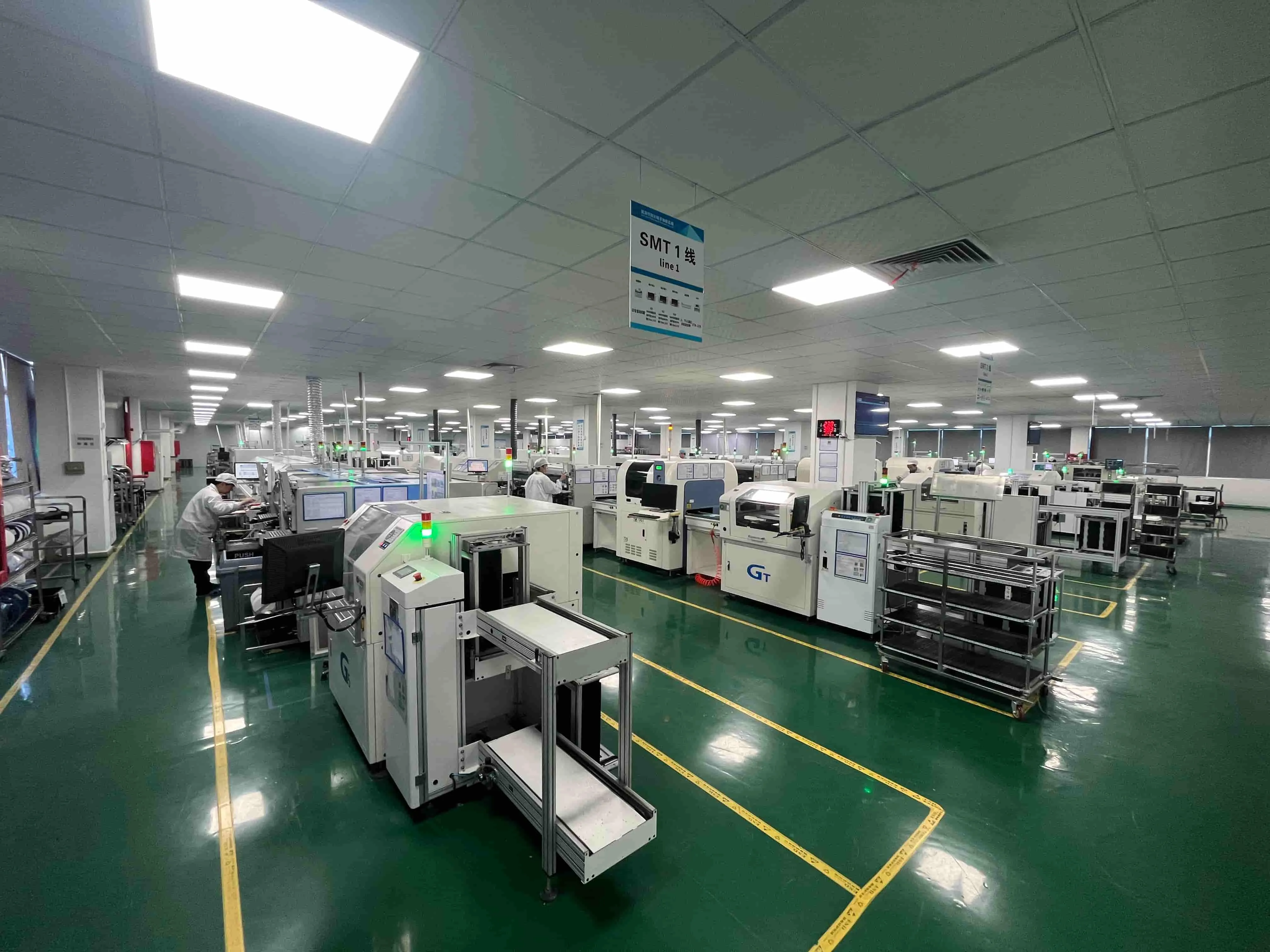
Follow one unit from incoming material to final test. Ask how the approved display, connector and modem are identified; which functions receive 100-percent testing; how failures are segregated; and which records follow the serial number. Define the engineering-change notice, validation delta, buyer approval point and last-buy process before volume production.
Normalize commercial offers after the technical scope is equal. Separate engineering, tooling, certification, samples, fixtures, cables, antennas, packaging and recurring unit cost. Include application porting, installation labor, stocking variants and field diagnosis in the total project view.
Use the scorecard to choose a project partner
The award should identify the exact configuration and unresolved risks, not proclaim a universally best factory. A capable supplier is one that can answer the requirement, demonstrate the production-intent build, preserve traceability and respond to failures within agreed contract terms. Read the PDS OEM/ODM responsibility guide before evaluating PDS, then send the same RFQ and evidence list to the PDS project team.
Sources reviewed
These links document what the named organizations publish. Company websites and company-operated social pages are first-party sources; they do not independently prove comparative quality, reliability, customer satisfaction or service performance.